The best time to discover a fireplace problem is before the fireplace becomes essential. A short preseason check can reveal obvious issues and give you time to schedule professional service before colder weather arrives.
Prometheus Takeaway
Do not make the first cold night your first test of the season. Verify the fireplace early enough that you still have time to solve a problem calmly.
Start With a Visual Check

Section 01
Start With a Visual Check
Look for visible damage, unusual residue, loose trim, cracked glass or anything that appears different from the previous season.
For a homeowner, the most useful way to think about start with a visual check is as a change from the fireplace's normal baseline. Pay attention to when it started, how often it happens, whether it appears only during startup or after the system has been running, and whether any other smell, sound, flame, soot, heat or control behavior changed at the same time.
It is also important not to jump straight from one symptom to one assumed failed part. A fireplace is a connected system that may include combustion components, venting, ignition controls, safety sensors, blowers, electrical connections, glass and installation-specific conditions. Different faults can create similar symptoms, so the visible problem is often the beginning of diagnosis rather than the diagnosis itself.
Before scheduling service, write down what you can safely observe without disassembling the appliance. A short phone video, a photo of residue or flame appearance, the approximate time the behavior occurs, and any recent maintenance or renovation can give a technician useful context. If the fireplace behaves unpredictably, avoid repeated testing simply to reproduce the problem.
A professional inspection should connect the symptom to evidence. That means checking the relevant components, confirming how the fireplace behaves under normal operation, comparing what is found with manufacturer requirements, and explaining why a repair is or is not needed. The goal is not to replace parts by guesswork; it is to understand what changed and correct the actual cause.
Clear the Area Around the Fireplace
Section 02
Clear the Area Around the Fireplace
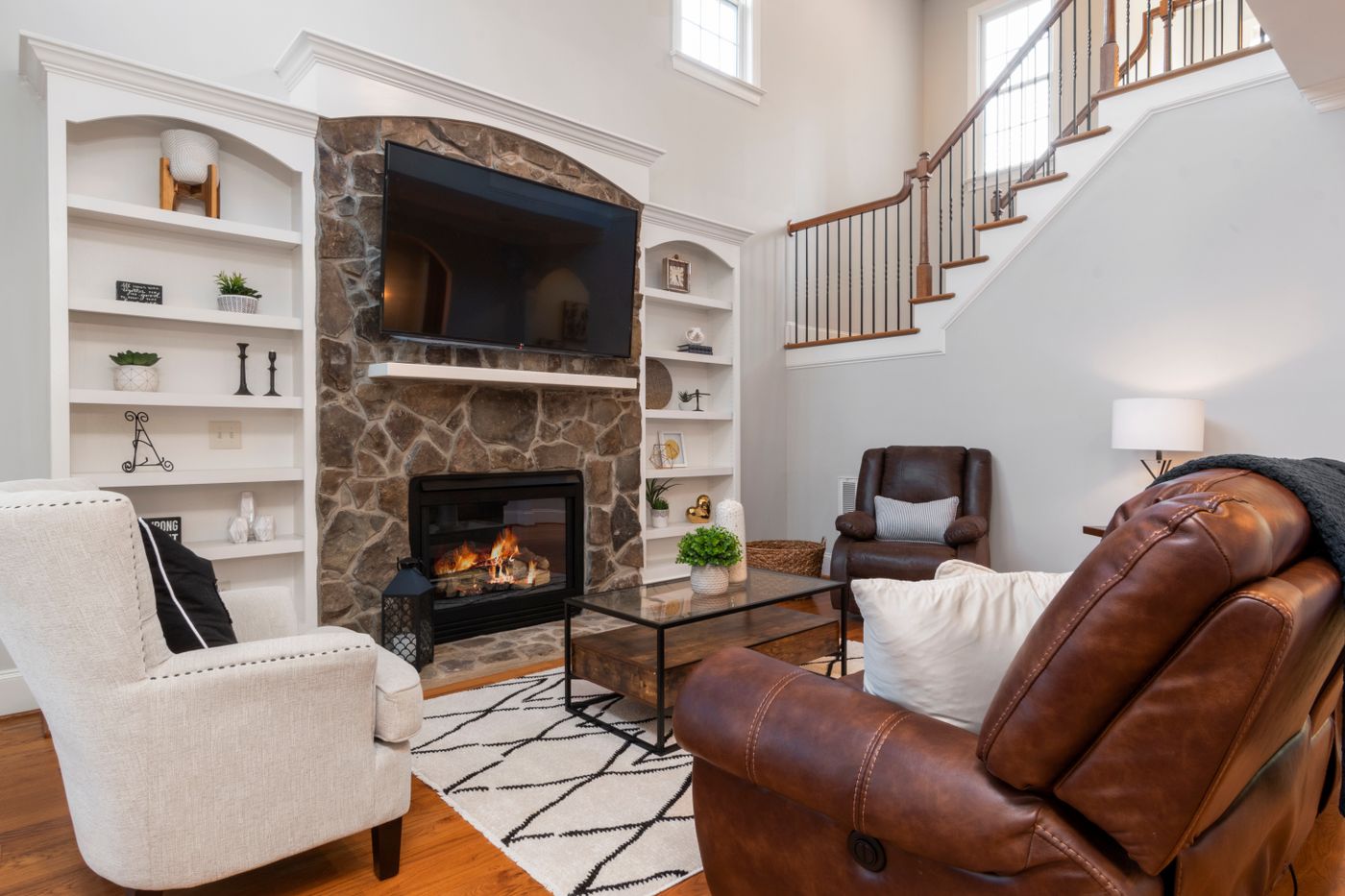
Remove stored items, decorations and anything that does not belong close to the appliance before regular seasonal use begins.
Before scheduling service, write down what you can safely observe without disassembling the appliance. A short phone video, a photo of residue or flame appearance, the approximate time the behavior occurs, and any recent maintenance or renovation can give a technician useful context. If the fireplace behaves unpredictably, avoid repeated testing simply to reproduce the problem.
A professional inspection should connect the symptom to evidence. That means checking the relevant components, confirming how the fireplace behaves under normal operation, comparing what is found with manufacturer requirements, and explaining why a repair is or is not needed. The goal is not to replace parts by guesswork; it is to understand what changed and correct the actual cause.
The practical decision after that inspection depends on severity, repeatability and overall system condition. Some findings may only require cleaning, adjustment or routine maintenance, while others can point to a component or venting issue that should be corrected before continued use. Clear documentation helps distinguish an isolated nuisance from a pattern that deserves faster attention.
This matters especially in a repair & maintenance discussion because small operating changes can be easy to normalize over time. Homeowners often adapt to a slower start, a new sound or slightly different flame without realizing the appliance now has a different operating pattern. Treating clear the area around the fireplace as useful information makes future maintenance more precise and helps avoid unnecessary repair decisions.
Test the Fireplace Early

Section 03
Test the Fireplace Early
Operate the fireplace before you urgently need heat. Pay attention to ignition, flame behavior, smells, sounds and whether the system remains running normally.
The practical decision after that inspection depends on severity, repeatability and overall system condition. Some findings may only require cleaning, adjustment or routine maintenance, while others can point to a component or venting issue that should be corrected before continued use. Clear documentation helps distinguish an isolated nuisance from a pattern that deserves faster attention.
This matters especially in a repair & maintenance discussion because small operating changes can be easy to normalize over time. Homeowners often adapt to a slower start, a new sound or slightly different flame without realizing the appliance now has a different operating pattern. Treating test the fireplace early as useful information makes future maintenance more precise and helps avoid unnecessary repair decisions.
When you compare one season with another, focus on consistency rather than perfection. Fireplaces can sound, smell and heat differently during the first few minutes of operation, but recurring changes that remain after warm-up deserve a closer look. Keeping a simple baseline of normal operation makes it easier to describe the issue accurately when professional service is needed.
If you are unsure whether a change is significant, prioritize safe observation over do-it-yourself disassembly. Many fireplace components sit close to fuel, electricity, hot surfaces or venting pathways. Cleaning visible, manufacturer-approved areas is different from opening sealed or safety-related components. When the cause is unclear, a qualified inspection is the better next step.
Think About the Last Service Date
Section 04
Think About the Last Service Date
If the fireplace has not been inspected for a long time, has seen heavy use or has an unknown maintenance history, preseason is a practical time to arrange service.
When you compare one season with another, focus on consistency rather than perfection. Fireplaces can sound, smell and heat differently during the first few minutes of operation, but recurring changes that remain after warm-up deserve a closer look. Keeping a simple baseline of normal operation makes it easier to describe the issue accurately when professional service is needed.
If you are unsure whether a change is significant, prioritize safe observation over do-it-yourself disassembly. Many fireplace components sit close to fuel, electricity, hot surfaces or venting pathways. Cleaning visible, manufacturer-approved areas is different from opening sealed or safety-related components. When the cause is unclear, a qualified inspection is the better next step.
For a homeowner, the most useful way to think about think about the last service date is as a change from the fireplace's normal baseline. Pay attention to when it started, how often it happens, whether it appears only during startup or after the system has been running, and whether any other smell, sound, flame, soot, heat or control behavior changed at the same time.
It is also important not to jump straight from one symptom to one assumed failed part. A fireplace is a connected system that may include combustion components, venting, ignition controls, safety sensors, blowers, electrical connections, glass and installation-specific conditions. Different faults can create similar symptoms, so the visible problem is often the beginning of diagnosis rather than the diagnosis itself.
Act on Changes Instead of Watching Them
Section 05
Act on Changes Instead of Watching Them
Small symptoms are easier to deal with when you have scheduling flexibility. If something has changed, document what you notice and arrange diagnosis before the seasonal rush.
For a homeowner, the most useful way to think about act on changes instead of watching them is as a change from the fireplace's normal baseline. Pay attention to when it started, how often it happens, whether it appears only during startup or after the system has been running, and whether any other smell, sound, flame, soot, heat or control behavior changed at the same time.
It is also important not to jump straight from one symptom to one assumed failed part. A fireplace is a connected system that may include combustion components, venting, ignition controls, safety sensors, blowers, electrical connections, glass and installation-specific conditions. Different faults can create similar symptoms, so the visible problem is often the beginning of diagnosis rather than the diagnosis itself.
Before scheduling service, write down what you can safely observe without disassembling the appliance. A short phone video, a photo of residue or flame appearance, the approximate time the behavior occurs, and any recent maintenance or renovation can give a technician useful context. If the fireplace behaves unpredictably, avoid repeated testing simply to reproduce the problem.
A professional inspection should connect the symptom to evidence. That means checking the relevant components, confirming how the fireplace behaves under normal operation, comparing what is found with manufacturer requirements, and explaining why a repair is or is not needed. The goal is not to replace parts by guesswork; it is to understand what changed and correct the actual cause.
Practical Checklist
Your quick preseason checklist:
From Prometheus Fire Co.
Homeowner Education Before the Sales Pitch.
We believe better fireplace decisions start with clear diagnosis, useful evidence and an understanding of how the complete system works. When a problem can be repaired responsibly, replacement should not be the automatic first answer.